

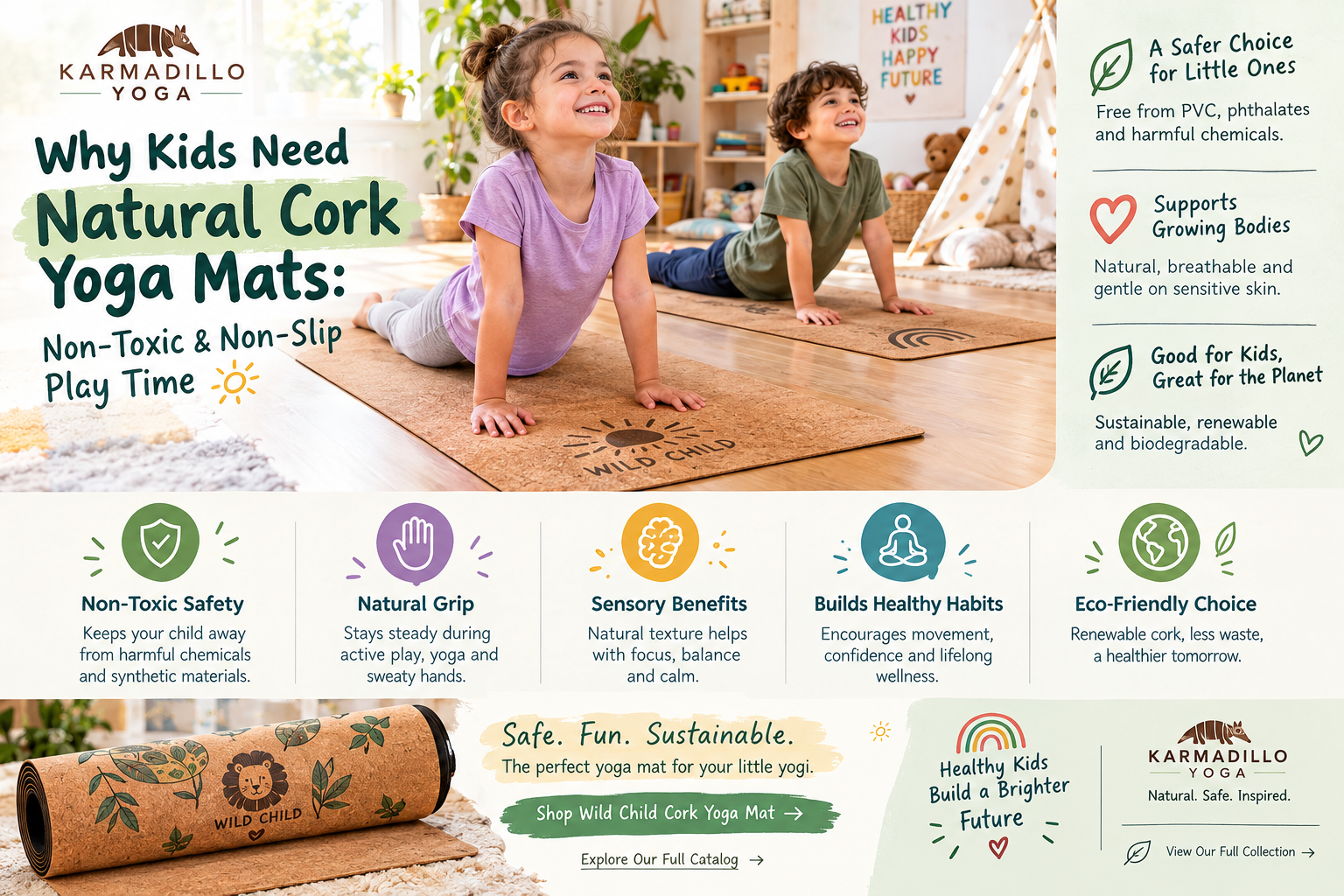

In a modern world where screens, synthetic toys, and artificial environments dominate daily life, encouraging children to move their bodies freely and mindfully has never been more important. Children naturally love to stretch, tumble, roll, and balance. Whether they are imitating animal shapes in a structured kids' yoga class, practicing gymnastics routines in the living room, or simply using their imagination during active playtime, movement is foundational to physical development, sensory integration, and emotional self-regulation.
However, the equipment we place beneath our children during movement matters immensely. Most conventional fitness mats designed for children are made from cheap, petroleum-derived plastics that off-gas harmful chemicals and become dangerously slick under sweaty hands and feet.
A kids cork yoga mat provides a revolutionary, eco-friendly alternative. Combining organic bark harvested from cork oak trees with natural, non-toxic tree rubber, a cork mat creates a completely safe, hygienic, and non-slip sanctuary for children to play, move, and rest.
In this comprehensive guide, we will explore why traditional plastic mats pose hidden risks to growing bodies, how natural cork protects child health, the sensory and physical benefits of organic movement surfaces, and practical tips for introducing daily mindfulness habits to your children.
The Hidden Dangers of Traditional Plastic Play Mats
When parents shop for children's exercise equipment, bright colors and cartoon graphics often mask low-quality materials. The vast majority of mass-market children's play mats and yoga mats are manufactured using Polyvinyl Chloride (PVC), Thermoplastic Elastomers (TPE), or cheap EVA foam.
1. Toxic Off-Gassing and Chemical Load
PVC is widely recognized by environmental health experts as one of the most toxic plastics created. To make rigid PVC flexible enough to roll into a mat, manufacturers add plasticizers known as phthalates.
-
Endocrine Disruption: Phthalates are not chemically bound to the plastic matrix; they continuously leach out over time into ambient air and household dust. Exposure to phthalates has been linked to hormonal disruption, developmental delays, and childhood asthma.
-
Heavy Metal Stabilizers: Many cheap synthetic mats utilize lead, cadmium, or organotins as heat stabilizers during manufacturing.
-
Thin, Sensitive Skin: Children have higher metabolic rates than adults and absorb environmental toxins more rapidly through their skin and respiratory systems. When a child rests their face directly against a PVC mat during Child’s Pose or floor stretches, they are breathing in volatile organic compounds (VOCs).
2. Slippery Surfaces and Physical Safety Risks
Synthetic mats rely on artificial surface textures to create traction. When a child gets warm and their hands begin to sweat during energetic play, smooth plastic surfaces lose friction instantly. A slipping hand during a handstand, bridge, or lunging pose can cause wrist sprains, joint strain, or sudden falls.
Why a Kids Cork Yoga Mat is the Safest Choice
Transitioning your child to a natural kids cork yoga mat eliminates chemical exposure while providing an unmatched physical foundation designed specifically for active play.
                  NATURAL CORK LAYER
  (100% Organic Bark • Non-Toxic • Antimicrobial)
  ===============================================
  -----------------------------------------------
              NATURAL TREE RUBBER BASE
      (Heavy-Duty Traction • Zero PVC • No VOCs)
1. 100% Non-Toxic and Hypoallergenic Materials
Natural cork is harvested directly from the outer bark of the Cork Oak tree (Quercus suber). It requires no synthetic processing, petroleum additions, or chemical softening agents.
-
Zero PVC, BPA, or Phthalates: A natural cork mat contains no plasticizers or heavy metal stabilizers.
-
Water-Based Inks: Premium children’s cork mats utilize non-toxic, eco-friendly water-based inks for all printed visual elements, ensuring that even if young children touch their mouths to the mat, zero toxic residues are transferred.
2. Natural Antimicrobial Hygiene
Children spend a lot of time close to the floor, making surface hygiene a top priority for parents. Cork contains a natural waxy compound called suberin. Suberin renders cork hydrophobic and naturally antimicrobial, making it inhospitable to bacteria, mold, mildew, and common household dust mites. While plastic mats trap sweat in microscopic pores and breed unpleasant odors, cork naturally repels moisture and stays odor-free.
3. Sweat-Activated Non-Slip Traction
Safety during active play depends on reliable floor grip. Cork offers a unique physical characteristic: its natural friction coefficient increases when exposed to moisture. As your child runs, jumps, or holds balance poses, their body warmth and sweat activate the cork grain, delivering a steady, non-slip grip that prevents sudden slips and falls.
4. Heavy-Duty Cushioning and Floor Adhesion
Underneath the organic cork top layer sits a dense base of natural tree rubber. This heavy rubber foundation clings firmly to hardwood, tile, carpet, or lawn surfaces without sliding around during vigorous play. The high-density rubber cushions knees, elbows, and spines against hard floors, absorbing impact during tumbles and jumps.
Sensory and Developmental Benefits of Cork Movement Surfaces
Yoga and unstructured floor movement provide profound sensory feedback that supports a child's neurological development. A kids cork yoga mat enhances this process in several distinct ways.
Tactile Grounding and Sensory Regulation
In occupational therapy, tactile input is essential for helping children organize their nervous systems. Unlike cold, sticky plastic or rough synthetic foam, natural cork has a soft, velvety texture that feels inherently warm and organic under bare skin. For children with sensory processing sensitivities, ADHD, or anxiety, moving on a natural cork surface provides a calming, sensory-grounding touchpoint that helps ease restlessness.
Spatial Awareness and Personal Space
For young children, understanding personal space can be challenging. Giving a child their own dedicated mat provides a visual and physical boundary that defines "their special space." During family yoga, group classes, or home quiet time, the mat acts as an anchor where they can focus, move, or retreat for peaceful reflection.
Fostering Eco-Consciousness Early
Children are inherently connected to the natural world. Practicing on a cork mat offers a beautiful educational opportunity to teach your children about environmental stewardship:
-
You can explain that their mat came from the outer bark of a tree that was gently harvested by hand.
-
The tree was not cut down and continues to grow in the forest, absorbing carbon dioxide and protecting wild habitats.
-
Connecting physical tools to living ecosystems fosters a lifelong love for sustainable living.
5 Fun Ways to Introduce Mindfulness & Movement to Kids
Introducing yoga to children shouldn't feel like a rigid exercise routine. The key to building lasting habits is keeping movement light, playful, and imagination-centered.
-
Animal Pose Adventures: Turn yoga into a storytelling game. Have your child transform into a Roaring Lion (Lion’s Breath), a Tall Giraffe (Tree Pose), or a Stretching Cat (Cat-Cow).
-
The "Freeze" Balance Challenge: Play gentle background music while your child moves freely around their mat. When the music pauses, they must freeze in their favorite balancing pose on their cork mat without wobbling.
-
Breathing with a Stuffed Animal: Have your child lie flat on their back on their cork mat and place a small stuffed toy on their belly. Ask them to take deep, quiet belly breaths to gently rock the toy up and down like a boat on soft waves.
-
Partner Family Yoga: Practice simple partner poses together—such as back-to-back seated breathing or double Downward Dog—to build connection, trust, and shared laughter.
-
Post-Play Gratitude Rest: End every movement session with a 2-minute relaxation period (Savasana). Let your child lie flat on their warm cork mat with closed eyes while listening to a calming guided visualization or soft nature sounds.
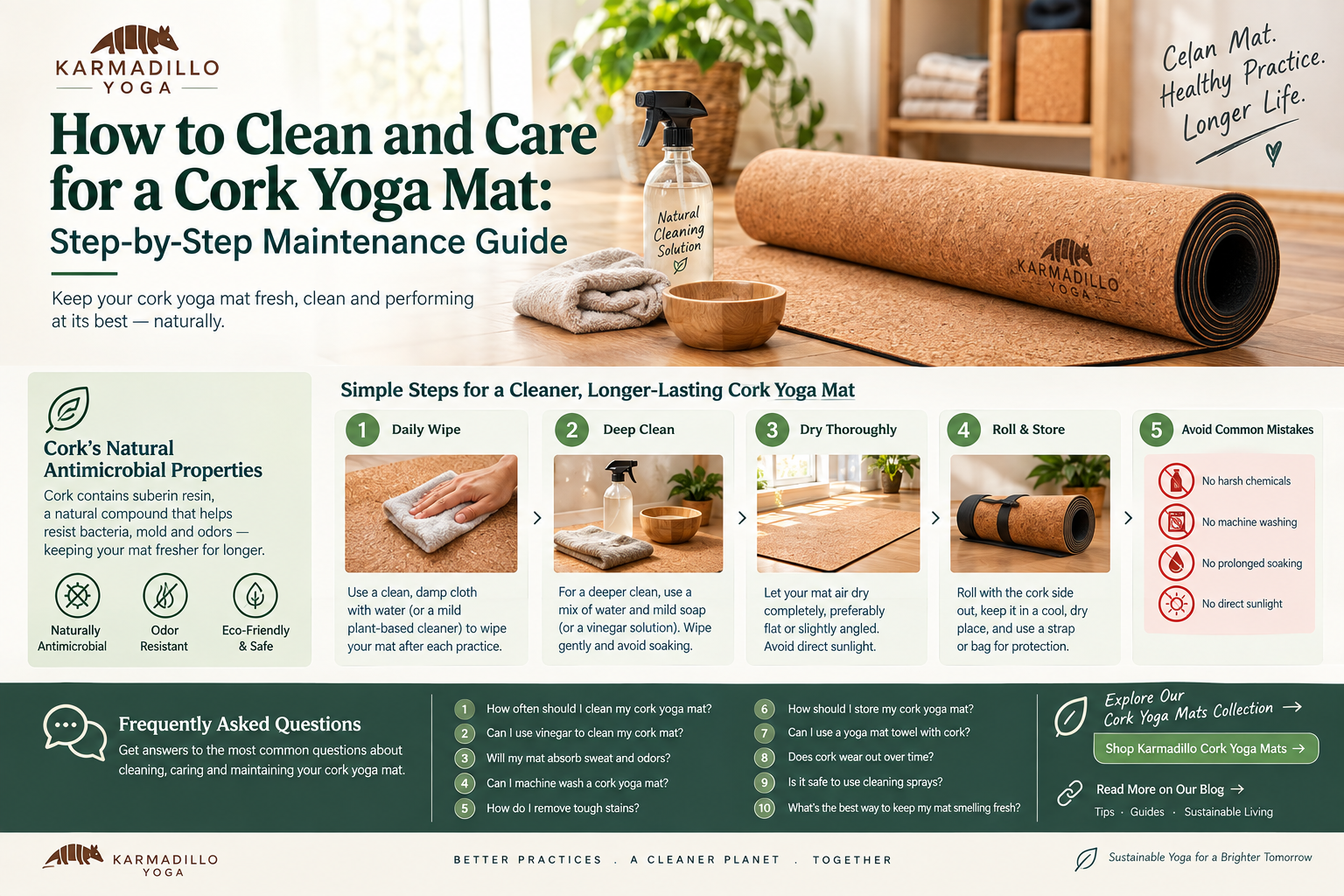
Caring for Your Child's Cork Mat
Children can be messy, but maintaining a natural cork mat is remarkably easy:
-
Post-Play Wipe: Wipe down the mat with a damp microfiber cloth moistened with plain water or a very mild diluted soap solution to lift surface dirt or juice spills.
-
Air Dry Flat: Allow the mat to air dry completely in a shaded area before rolling.
-
Roll Cork Out: Always roll the mat with the cork surface facing outward to protect the smooth organic fibers from micro-creases.
Frequently Asked Questions (FAQs)
1. At what age can a child start using a kids cork yoga mat?
Children can start using a dedicated kids' cork mat as soon as they are crawling or walking (ages 1 to 10). Toddlers love having a cushioned, non-toxic play surface, while young kids use it for structured yoga, tumbling, and quiet reading time.
2. Is a kids cork yoga mat heavy for a child to carry?
No. Kids' cork mats are specifically designed to be lighter and shorter than standard adult mats, making them easy for toddlers and young children to roll up, carry, and pack into a school tote bag.
3. Are the dyes used on printed cork mats safe for children?
Yes. High-quality children's cork mats use 100% water-based, non-toxic, phthalate-free inks that are fully cured into the cork grain so they won't rub off, fade, or transfer onto skin.
4. Is natural cork scratchy or rough against a child's sensitive skin?
Not at all. Organic cork used in yoga mats is finely ground and sanded down into a smooth, velvety finish that feels soft, warm, and comfortable under bare feet and hands.
5. How does a cork mat perform if my child has sweaty hands?
Cork actually gains traction when exposed to moisture! The natural suberin wax in cork becomes grippier as hands sweat, preventing slipping during active play or hot weather.
6. Can my child use their cork yoga mat outdoors in the backyard?
Yes! Cork mats are durable and perform great on grass, deck patios, or park ground. Just ensure the grass is free of sharp rocks or thorns, and avoid leaving the mat in intense direct sunlight for days at a time.
7. What should I do if my child spills food or juice on the cork mat?
Wipe up the spill immediately with a damp paper towel or microfiber cloth. For sticky residues, use a mixture of warm water and a drop of mild, eco-friendly liquid dish soap, then wipe clean with fresh water and let air dry.
8. Is the rubber base safe for children with latex allergies?
Most cork yoga mats feature a base made from natural tree rubber, which contains natural latex proteins. If your child has a severe latex allergy, consult your pediatrician before using natural rubber products.
9. Why is cork better than cheap foam play mats?
Cheap EVA foam mats can be easily torn, bitten, or picked apart by young children, creating small choking hazards. Synthetic foam also traps bacteria and off-gases plastic odors, whereas cork is dense, bite-resistant, naturally antimicrobial, and completely toxic-chemical free.
10. Where can I buy a sustainable kids cork yoga mat?
You can explore the eco-friendly Wild Child Cork Yoga Mat and our entire family collection at Karmadillo Yoga.
Designed for Play: The Wild Child Cork Yoga Mat
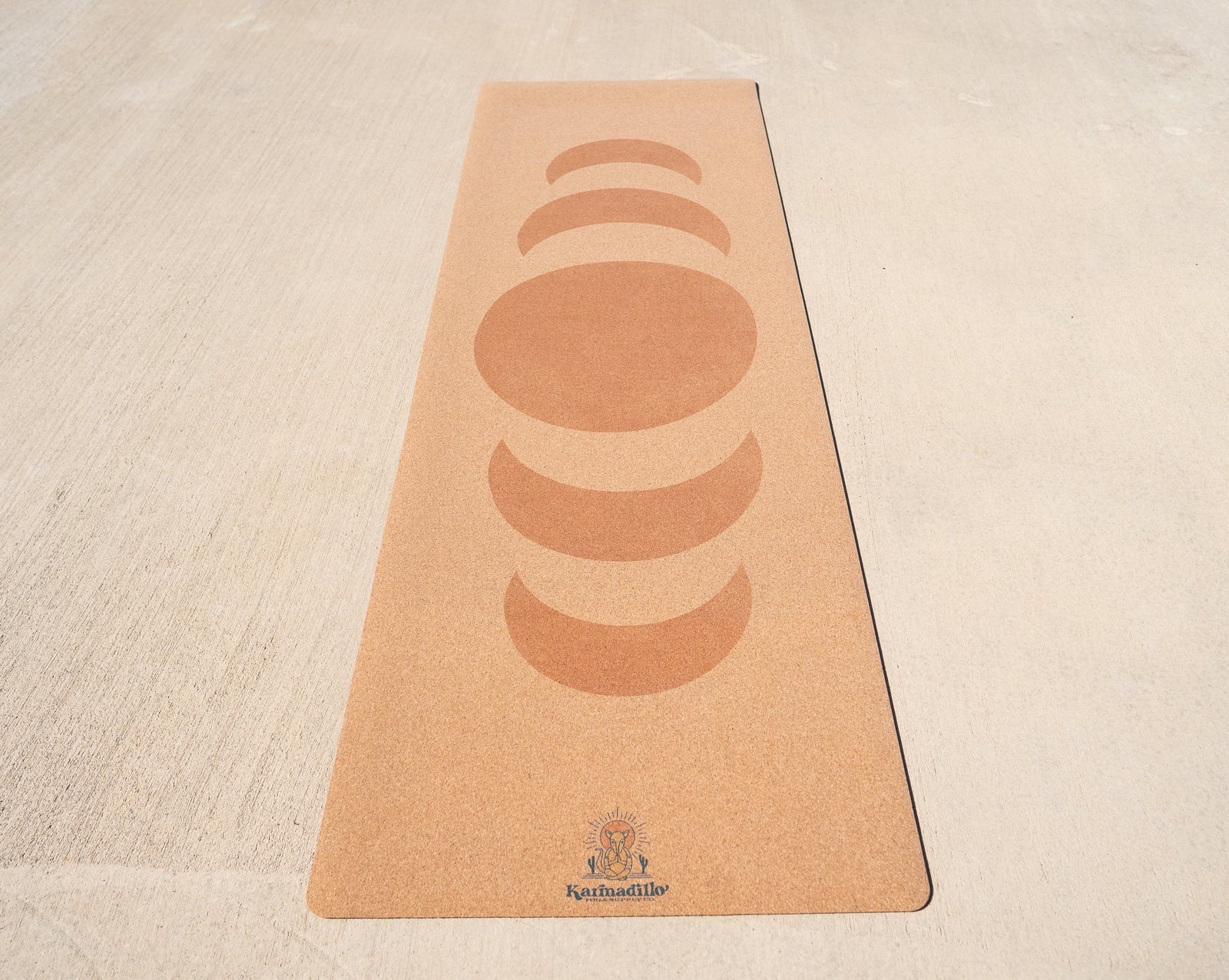
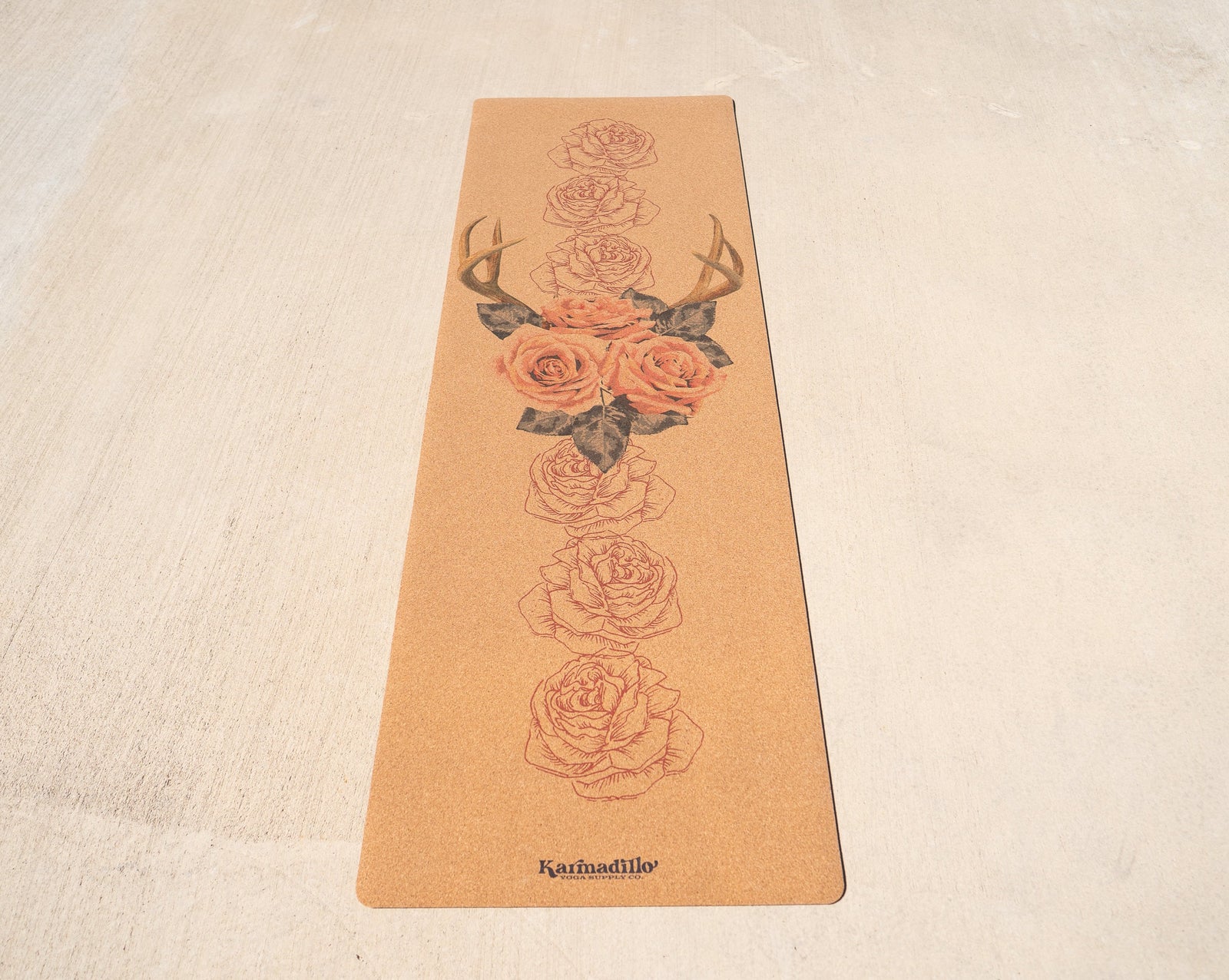
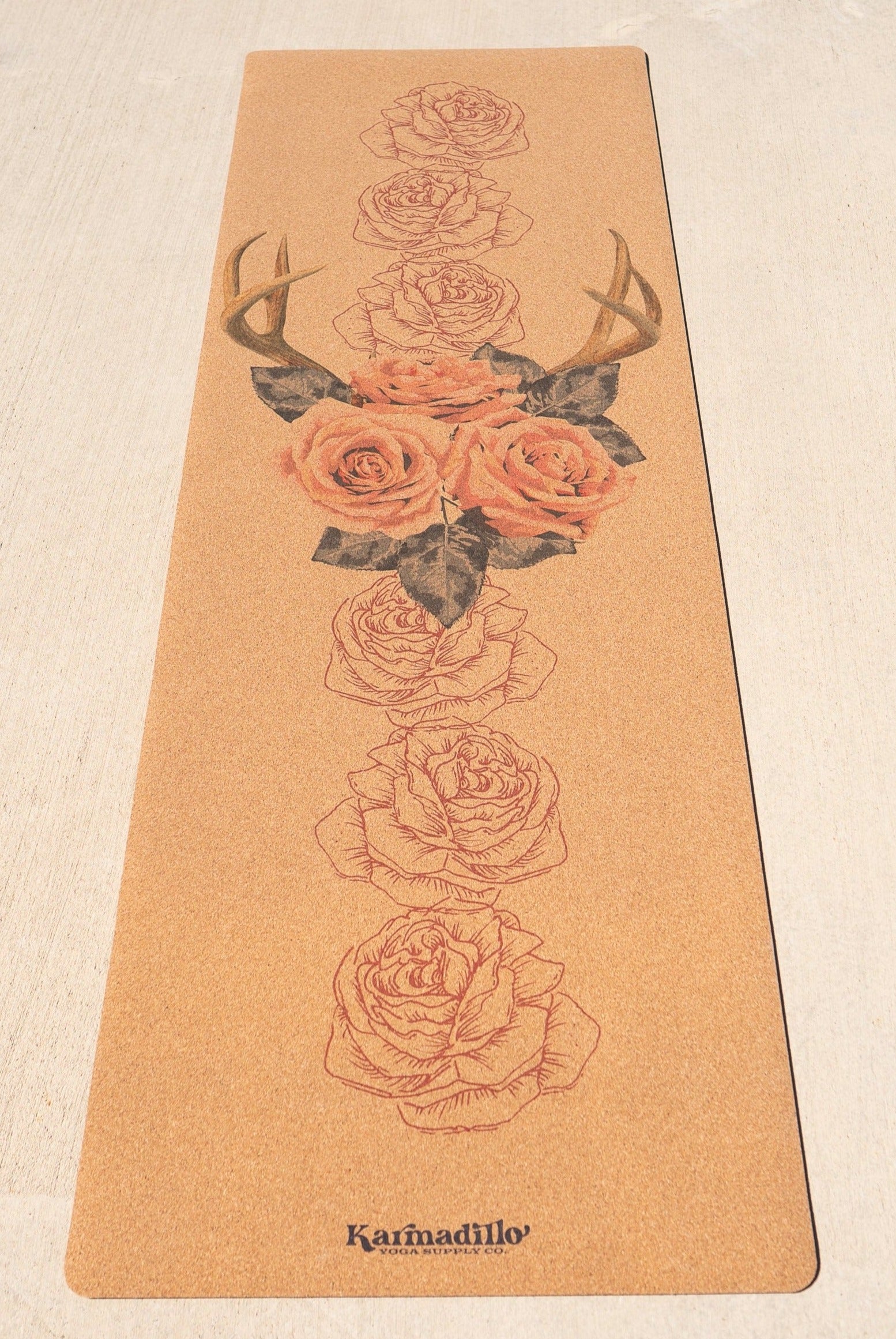
At Karmadillo Yoga, we believe that wellness begins at every age. Designed specifically for little practitioners, our Wild Child Cork Yoga Mat pairs a non-toxic organic cork surface with a heavy-duty natural rubber base that stays anchored during the wilder play sessions.
Sized perfectly for growing bodies and featuring vibrant, fade-resistant water-based artwork, the Wild Child mat gives your child a safe, non-toxic space to stretch, play, and thrive. Explore our complete line of sustainable mats, blocks, and props in the Karmadillo Yoga Full Catalog.








We’d love to hear your thoughts!